

Medical experts have sounded a critical warning over rampant misuse of antibiotics in Malaysia, highlighting the urgent need for responsible healthcare practices.
A report from the Institute for Health Metrics and Evaluation (IHME), an independent population health research organization based at the University of Washington School of Medicine, showed that in Malaysia in 2019, there were 3,500 deaths attributable to antimicrobial resistance (AMR) – a number higher than deaths from digestive diseases, diabetes and kidney diseases, transport injuries, chronic respiratory diseases and neurological disorders.
Yet, AMR remains an underreported and misunderstood public health crisis, worsened by the misuse of antibiotics for common viral infections like sore throats.

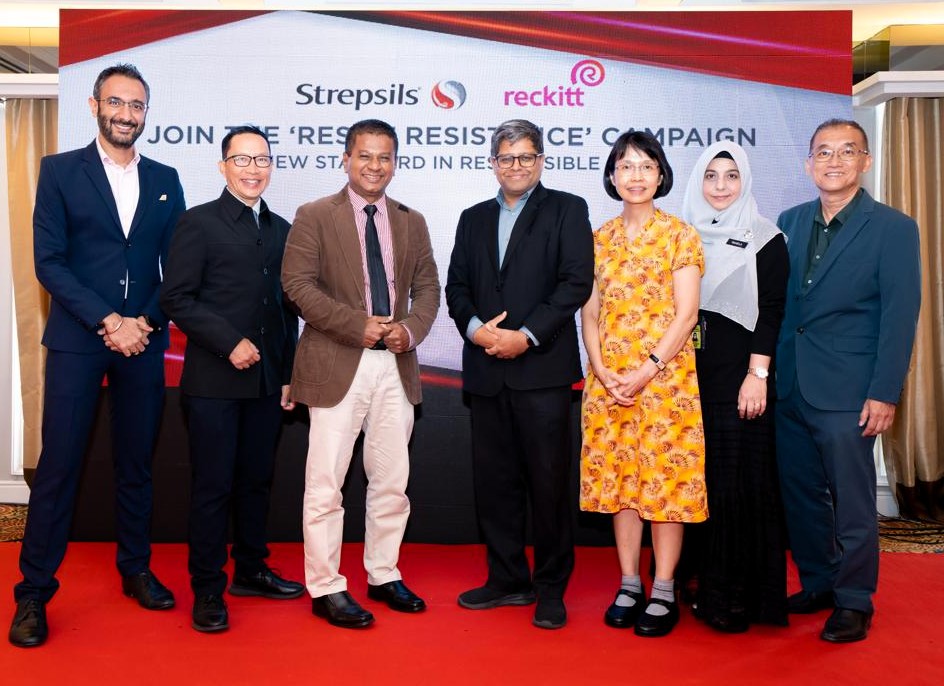
In a move to address the urgent issue of antibiotics misuse, Strepsils, a global leading throat relief brand, recently hosted the ‘Resist Resistance’ medical roundtable forum at The Majestic Hotel, Kuala Lumpur on July 22, 2025.
The event brought together healthcare professionals and the Ministry of Health to confront the escalating misuse of antibiotics in the country and promote more responsible sore throat care.
The panel discussion warned of the widespread antibiotics misuse for common viral infections, such as sore throats, which is fuelling the rise of AMR in Malaysia, with urgent calls for more responsible treatment and greater public education.
One common but dangerous example is the treatment of sore throats. Although most are caused by viruses and do not require antibiotics, many Malaysians still demand or expect them – fueling the rise of antibiotic-resistant bacteria.
This misuse is not just harmful; it is helping to build a future where simple infections could once again become deadly. The panel discussion aimed to correct these harmful misconceptions and push for informed, life-saving choices.
As part of responsible throat care, the panel highlighted the role of symptom-targeted treatments that help reduce throat pain, swelling and difficulty swallowing, offering effective relief for viral sore throats without contributing to resistance.
In Malaysia, a recent study found that only 2.8% of sore throat cases in public primary care clinics are caused by Group A Streptococcus (GAS), the only common bacterial cause warranting antibiotics, yet 22.3% of these patients still receive antibiotics, with over 90% of these prescriptions deemed unnecessary.
To counter this, the panel spotlighted the Malaysian Multidisciplinary Sore Throat Consensus, a newly launched set of clinical guidelines aimed at helping healthcare professionals make accurate diagnoses and reduce inappropriate antibiotic use. The framework promotes evidence-based sore throat management with a strong focus on patient education and non-antibiotic treatment options.
Dr Ho Bee Kiau of the Ministry of Health Malaysia said the Health Ministry is scaling up national interventions to address antibiotic misuse.
“Our focus is on policy enforcement, enhancing clinical guidelines, and running large-scale education campaigns to shift both public and professional behaviour. Combating antimicrobial resistance requires collective responsibility, and we’re committed to leading that charge,” she said.
Dr Rahela Ambaras Khan, Head of Pharmacotherapy Services, Hospital Kuala Lumpur said, “As part of our antimicrobial stewardship efforts at Hospital Kuala Lumpur, we see firsthand how misuse, often driven by misinformation, can lead to treatment failure and drug-resistant infections. Empowering patients with the right knowledge is critical to preventing a future where even routine infections become untreatable.”
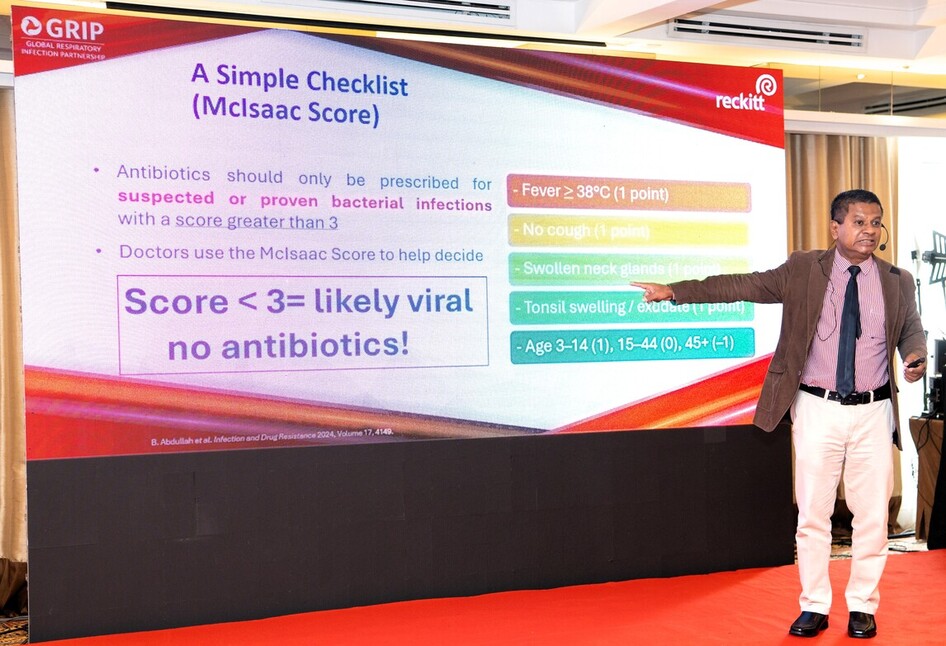
Adding to the sentiment, Prof Dr Baharudin Abdullah, one of the authors of the Sore Throat Consensus noted, “Clinical guidelines like the Malaysian Multidisciplinary Sore Throat Consensus are designed to support better diagnostic decisions. When used correctly, they help reduce reliance on antibiotics for viral infections, which don’t benefit from them. Our data shows a persistent gap between what’s medically appropriate and what’s being prescribed. Closing that gap is essential.”
“Patients often feel uncertain when told antibiotics aren’t needed. That’s why education is key not just for doctors but for the public. When people understand why antibiotics don’t work for viral sore throats, they’re more likely to accept alternative treatments and avoid contributing to resistance,” said Dr Mohazmi Mohamad, family medicine specialist, Department of Primary Care Medicine, Faculty of Medicine, University Malaya.
“Public awareness and professional guidelines are our best tools in this fight. We need to move away from a ‘pill for every ill’ mindset. Studies have shown that this approach can significantly reduce unnecessary antibiotic use, which is a critical step in combating AMR,” added Dr Koh.
In line with promoting responsible sore throat management, the Malaysian Multidisciplinary Sore Throat Consensus also provides healthcare professionals with concise evidence-based guidance on prescribing antibiotics only when needed.
The guidelines highlight the value of accurate diagnosis, patient education, and symptom-targeted care, reinforcing the importance of accessible solutions that help manage viral sore throats without relying on antibiotics.
“Antibiotic misuse is not just a medical issue, but a public health crisis that demands immediate action. The first step in combatting AMR is changing the way we think about common infections like sore throats and opting for symptom-targeted treatments, such as the Strepsils spray, rather than resorting to unnecessary antibiotic use,” said Harsh Takru, Reckitt’s marketing director for health and hygiene (Malaysia and Singapore).
As Malaysia confronts the rising challenge of AMR, Strepsils remains dedicated to creating a healthier future by equipping both patients and healthcare professionals with the knowledge and tools needed to make responsible healthcare decisions.