

Many Malaysians dismiss persistent digestive signs like bloating, changes in bowel habits, abdominal discomfort, reflux, rectal bleeding and fatigue as stress, ageing, food intolerance or “gastric” problems.
Specialists at Hospital Picaso are urging the public to pay attention to recurring digestive symptoms more seriously, especially when symptoms persist, change over time or interfere with daily life, they can signal serious underlying medical conditions that require prompt professional evaluation rather than self-management.
Some serious underlying issues include inflammatory bowel disease, ulcers, polyps or colorectal cancer can cause digestive symptoms.
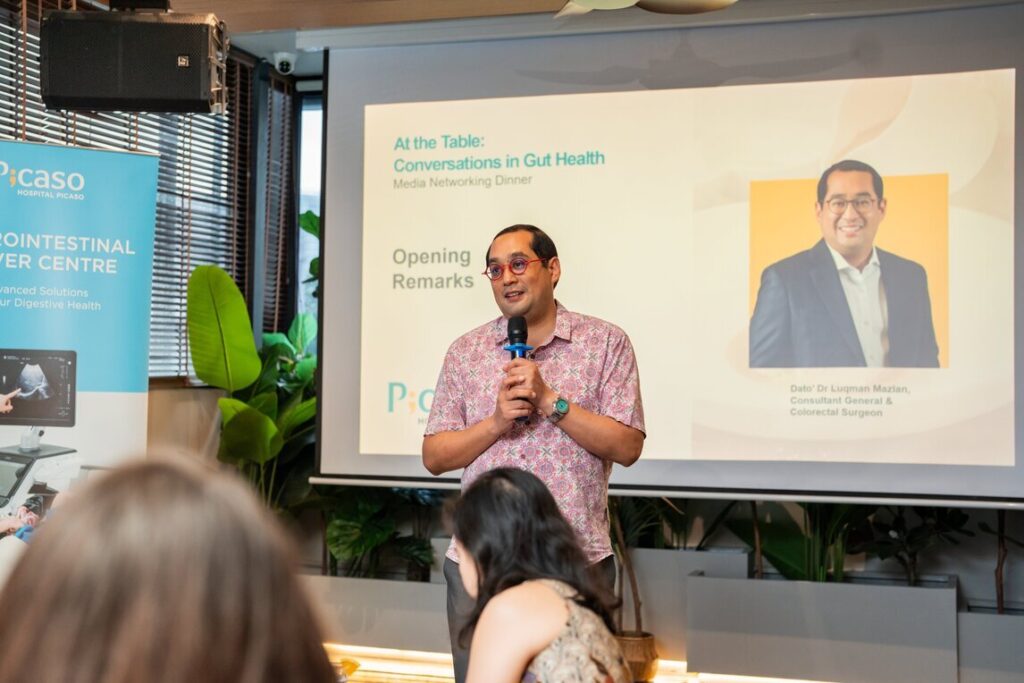
The message was shared during the “On the Plate, In the Gut” educational dining event organised by Hospital Picaso in Petaling Jaya, to break the stigma around digestive health.
Consultant general and colorectal surgeon Dato’ Dr Luqman Mazlan highlighted that recurring symptoms like bloating and discomfort are frequently misdiagnosed as routine stress or diet issues.
“Digestive symptoms are often ignored because they feel familiar. Many people will live with bloating, abdominal discomfort, reflux or changes in bowel habits for weeks or months because they assume it is stress, diet or gastric,” he said
“The concern is when these symptoms keep coming back, worsen over time, or appear together with unexplained weight loss, fatigue or bleeding. They may not always point to something serious, but they are signs the body is asking to be assessed. Early investigation often gives patients more options and better outcomes,” he added.
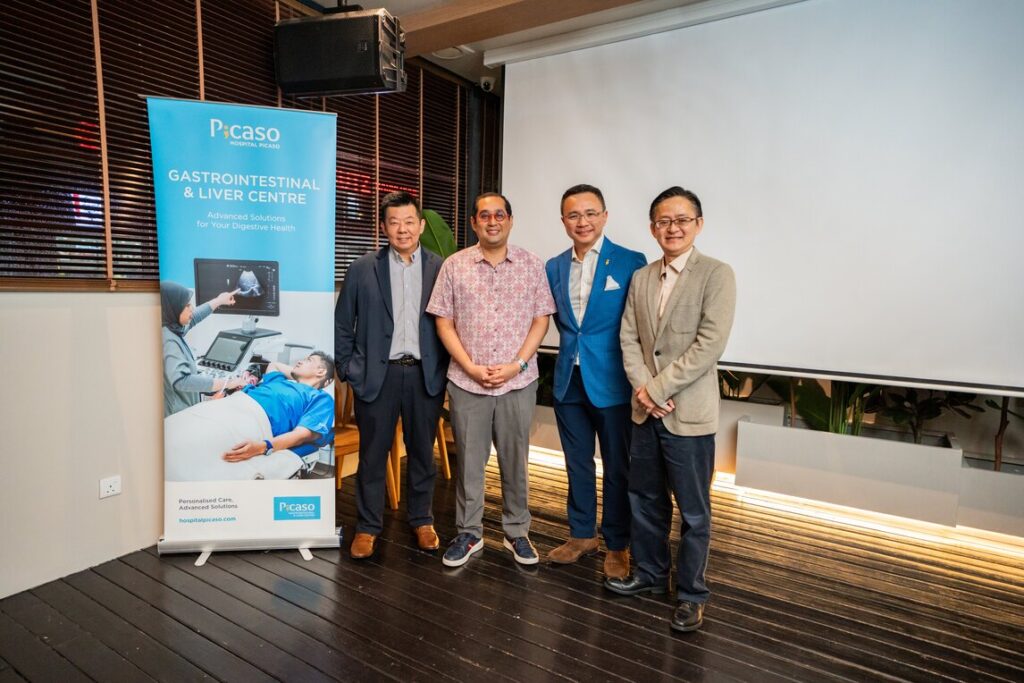
Other panel specialists from the hospital’s Gastrointestinal and Liver Centre, who joined the discussion were Dr Chong Hoong Yin, consultant general and colorectal surgeon, Dr Ho Shiaw Hooi, consultant gastroenterologist and physician, and Dr Yeap Chee Loong, consultant general, upper gastrointestinal and obesity surgeon.
Some people may delay seeing a doctor for bowel changes because they assume the cause is simple, like stress, indigestion or piles. However, persistent symptoms can signal serious conditions that need medical testing.
According to Hospital Picaso specialists, Malaysians should consider seeking medical advice if they experience:
- Persistent or recurring abdominal pain, bloating or discomfort
- A noticeable change in bowel habits, including prolonged constipation or diarrhoea
- Blood in the stool or rectal bleeding
- Unexplained weight loss or loss of appetite
- Unexplained fatigue, weakness or symptoms linked to anaemia
- Difficulty swallowing, persistent reflux or symptoms that do not improve
- Symptoms that keep returning, worsen over time or disrupt daily routines

People often think of digestive health only in relation to food, but recurring symptoms can also point to problems with digestion, absorption or bowel function.
Persistent diarrhoea, unexplained weight loss, anaemia, blood in the stool or ongoing abdominal pain should not be normalised or managed through guesswork for too long, especially when symptoms keep returning or appear together.
According to the Department of Statistics Malaysia’s Statistics on Causes of Death, Malaysia, 2025, malignant neoplasms of digestive organs recorded the highest number of cancer deaths in Malaysia in 2024, with 5,825 deaths reported.
Specialists also emphasised that screening and timely investigation play an important role in detecting digestive conditions earlier. Depending on a patient’s symptoms and risk factors, doctors may recommend blood tests, stool tests, imaging scans, colonoscopy or OGDS, also known as gastroscopy, to better understand the cause of symptoms.
For colorectal health, screening can be especially important because some cancers may develop from polyps over time. Detecting and removing polyps early can help reduce the risk of colorectal cancer developing.
Consultant general and colorectal surgeon Dr Chong Hoong Yin said that early intervention gives patients more treatment choices before a disease becomes complex.
“By the time symptoms become obvious, some conditions may already be more advanced. This is why screening is so important in colorectal care.
“A colonoscopy can help doctors detect abnormalities early, and in some cases, remove polyps before they progress.
“Early detection is not just about finding disease sooner. It is about giving patients more options before treatment becomes more complex,” he said.
Hospital Picaso provides integrated digestive and cancer care through its Gastrointestinal and Liver Centre. The facility unites colorectal surgeons, gastroenterologists, upper gastrointestinal surgeons, bariatric surgeons, liver, pancreas and bile duct expertise, and oncological care under one roof to deliver targeted treatment plans.
The Hospital Picaso Gastrointestinal and Liver Centre offers advanced care using robotic-assisted surgery for selected complex conditions, including Natural Orifice Specimen Extraction Surgery, also known as NOSES; minimally invasive interventions, and oesophageal robotic surgery.
These techniques are aimed to improve patient outcomes, reduce pain and speed up healing times in safe and suitable medical cases.
The centre utilizes AI-assisted endoscopy, which can help doctors detect early gastrointestinal and oncological abnormalities, improve diagnostic accuracy and make more informed decisions in real time. These capabilities support Hospital Picaso’s broader focus on integrated oncology and specialized surgical care..
For more information, visit www.hospitalpicaso.com.