

Hair loss is a major worry for many Malaysians, as it impacts not only physical appearance but also confidence and emotional well-being.
The three most common issues are thinning hair and hair loss, dandruff and scalp issues, and hair damage and breakage.
Beyond genetics and hormones, daily habits and the local environment can also impact hair and scalp health. Hot, humid weather, extended helmet or headwear use and frequent chemical treatments like bleaching, colouring, and rebonding all contribute to hair damage and loss.
While these concerns may seem alike, their root causes vary. Lifestyle factors like chronic stress, restrictive diets and nutrient gaps drive excessive hair shedding, whereas local scalp issues and styling habits result in irritation or physical breakage.
According to Dr Foo Wing Jian, senior aesthetic practitioner at Premier Clinic Mont Kiara, understanding the root cause is crucial because different hair and scalp concerns require different care.
“Hair loss is a symptom, not a diagnosis. The pattern of thinning, how quickly it develops and whether there are other symptoms can provide important clues about the underlying cause.
“For example, gradual thinning may suggest pattern hair loss, while increased shedding following an illness, major stress or significant weight loss may indicate telogen effluvium.
“Identifying these differences helps determine whether the patient needs medical treatment, further investigation or changes to specific lifestyle factors,” he said.
Androgenetic alopecia or pattern hair loss is influenced by genetics and sensitivity to dihydrotestosterone (DHT). Men typically experience a receding hairline at the temples or a thinning crown, while women often notice a widening part and reduced hair density.
Another condition, telogen effluviumcan also cause excessive hair shedding due to physical or emotional shock such as severe illness, high stress, childbirth or rapid weight loss, while alopecia areata, an autoimmune disorder that can cause sudden patches of hair loss.
According to a 2026 publication in JMIR Dermatology, alopecia areata carries a significant psychosocial burden in Malaysia, underscoring the necessity for heightened awareness, accurate clinical assessment and accessible treatment.
“Hair follicles are sensitive to changes in the body’s nutritional and physiological environment. Severe calorie restriction, inadequate protein intake and certain nutrient deficiencies can disrupt the normal hair growth cycle and lead to increased shedding.
“However, taking supplements indiscriminately is not the answer, as not all hair loss is caused by a deficiency,” said Dr Foo.
He added that a comprehensive assessment helps establish whether treatment should involve dietary intervention, specific supplementation or evaluating for an underlying health condition.
Lifestyle choices aren’t the root cause of all hair loss, yet they can disrupt hair growth and worsen thinning. Those at greater risk include individuals with a family history of pattern baldness, women experiencing hormonal changes after childbirth or menopause and people with conditions such as polycystic ovary syndrome (PCOS) or thyroid disorders.
Meanwhile, prolonged stress, serious illnesses and restrictive diets may trigger excessive shedding, while frequent chemical treatments, heat styling and tight hairstyles can contribute to hair damage or traction alopecia.
Finding the right hair loss treatment starts with an accurate diagnosis, not a one-size-fits-all fix.
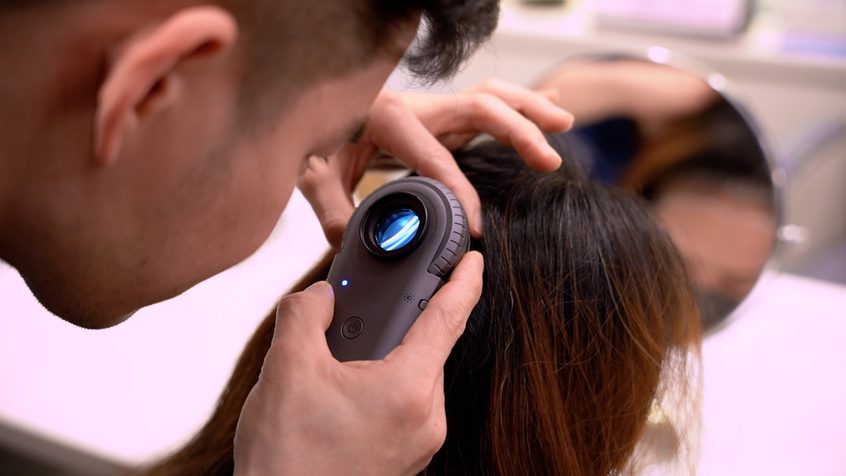
Dr Foo said this may include reviewing a patient’s medical history, diet, medication and family history, alongside a scalp examination. Blood tests may be recommended when nutritional deficiencies or underlying medical conditions are suspected.
Treatment options also depend on the diagnosis, severity of hair loss and individual suitability.
For pattern hair loss, topical minoxidil is an established option for men and women while finasteride may be prescribed for appropriate male patients after discussion of its benefits, risks and suitability.
For stress-related shedding, addressing the underlying trigger is often a priority, while correcting identified nutritional deficiencies may support recovery.
“Choosing the right treatment involves more than selecting a product or procedure. We need to consider the type and severity of hair loss, the patient’s medical history, possible contraindications and what the treatment can realistically achieve.
“Patients should also understand how long results may take, whether continued treatment is needed and what side effects to look out for.
“An appropriate treatment plan should be based on clinical assessment and evidence, with progress reviewed over time so that the approach can be adjusted when necessary,” explained Dr Foo.
Aside from medication and light therapy, Dr. Foo stated that doctors may consider certain procedures for suitable patients, noting that the evidence and success rates for these options differ.
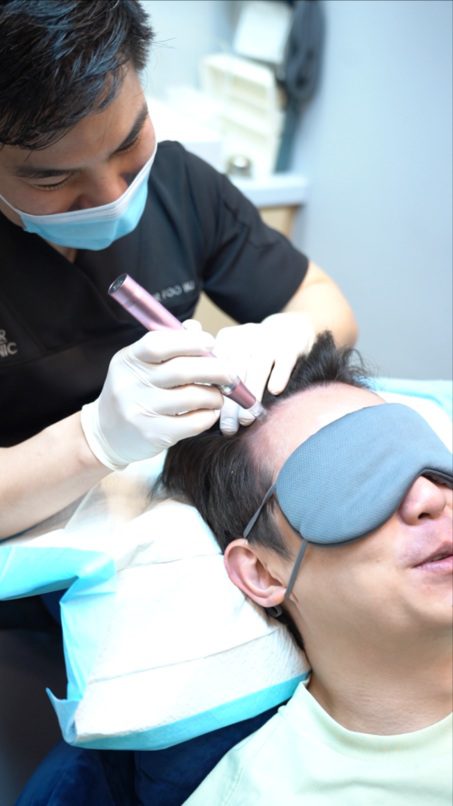
Available procedures include hair transplantation alongside various non-surgical treatments like platelet-rich plasma (PRP), Potenza RF microneedling, mesotherapy, exosome therapy and stem cell treatments.
Dr Foo said hair transplantation is suitable for patients with stable, advanced pattern hair loss and adequate donor hair, provided the assessment and surgery are handled by a qualified hair restoration specialist like a dermatologist or plastic surgeon.
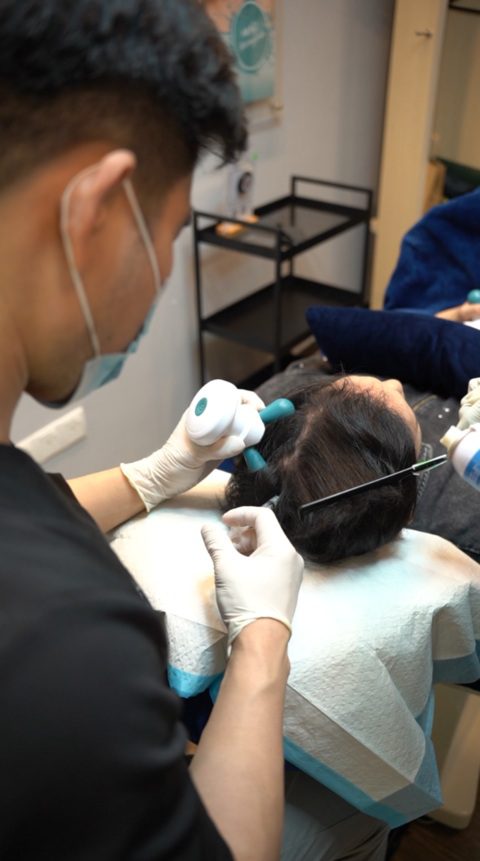
During a hair PRP treatment, a patient’s blood is spun in a machine to isolate growth-boosting platelets, which are then injected into the scalp to strengthen thinning follicles and encourage new hair, but the results vary.
Additional clinical evidence is necessary to establish the efficacy of radiofrequency (RF) microneedling and mesotherapy for hair restoration, particularly since mesotherapy outcomes and supporting data fluctuate depending on the active substances administered.
As for exosome and stem-cell treatments for hair loss, they are still in the experimental stages and lacking sufficient proof of safety and effectiveness. Patients are advised to exercise caution when encountering promises of guaranteed hair restoration.
Dr Foo said the clinic evaluates the underlying etiology of hair loss to determine appropriate therapeutic interventions. Subsequent consultations are routinely scheduled at three-month intervals to assess clinical progress and revise treatment regimens accordingly.
Hair-loss treatment takes time and results vary between individuals. Minoxidil takes months to show results, light therapy demands strict routine, and ongoing treatment is often necessary to maintain improvement.
While healthy habits support medical treatments, lifestyle changes alone cannot cure hair loss linked to genetics, hormone sensitivity, or autoimmune conditions.
For individuals experiencing persistent shedding, noticeable thinning, or sudden bald spots, seeking professional advice can help identify the cause and explore the right treatment options.