

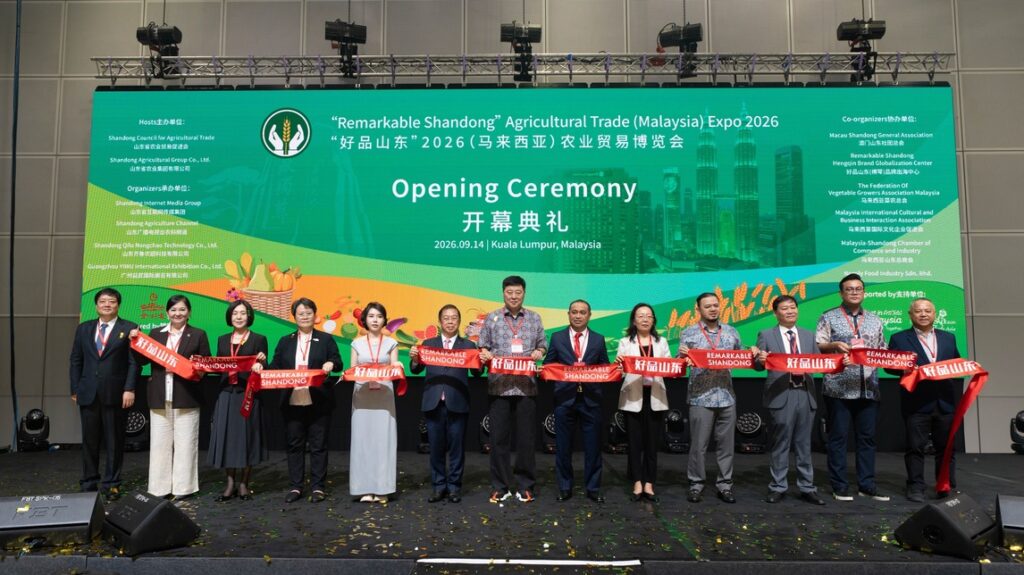
The “Remarkable Shandong” Agricultural Trade (Malaysia) Expo 2026 took place from Sept 14 to16 at the Kuala Lumpur Convention Centre for its second consecutive year.
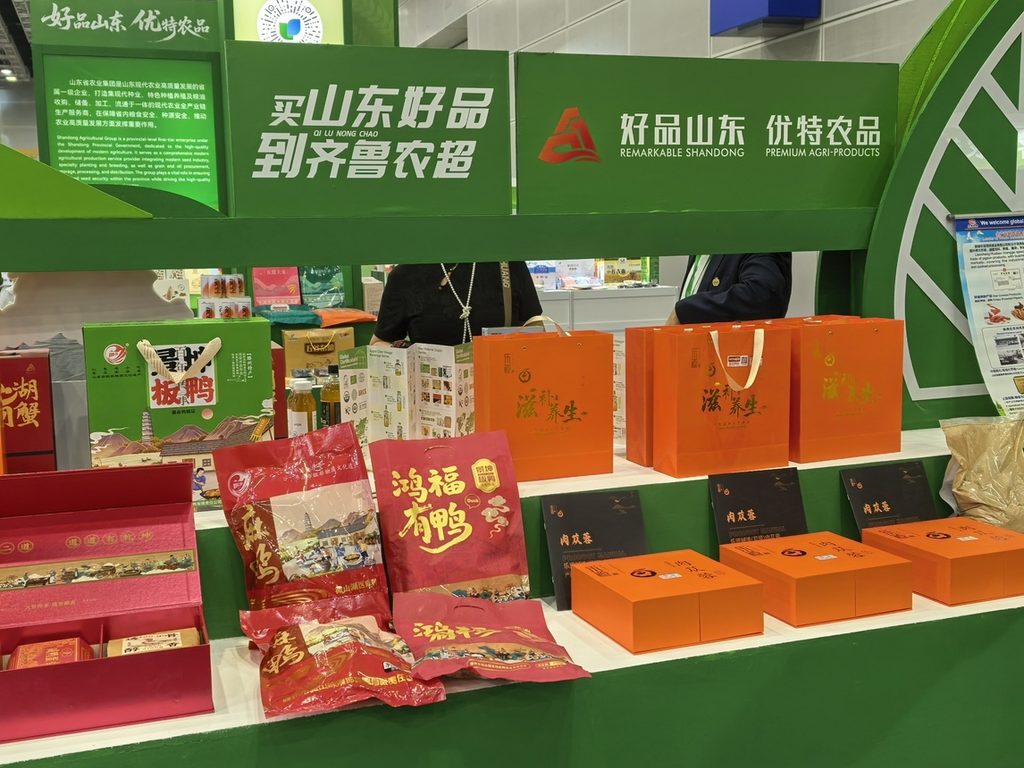
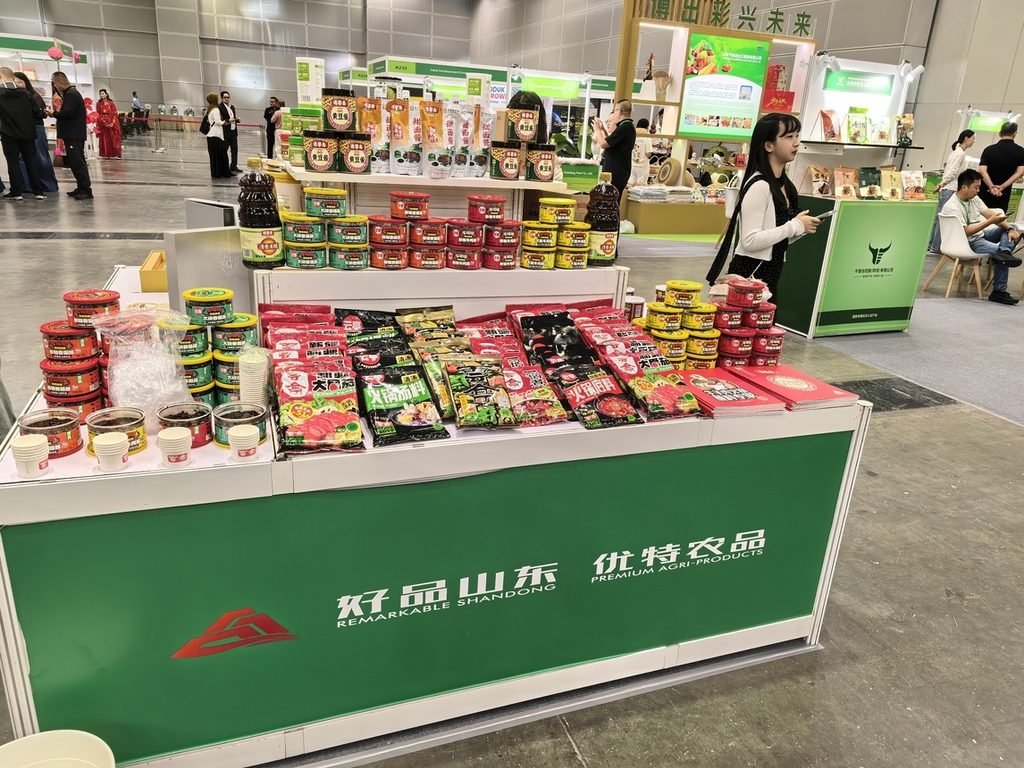
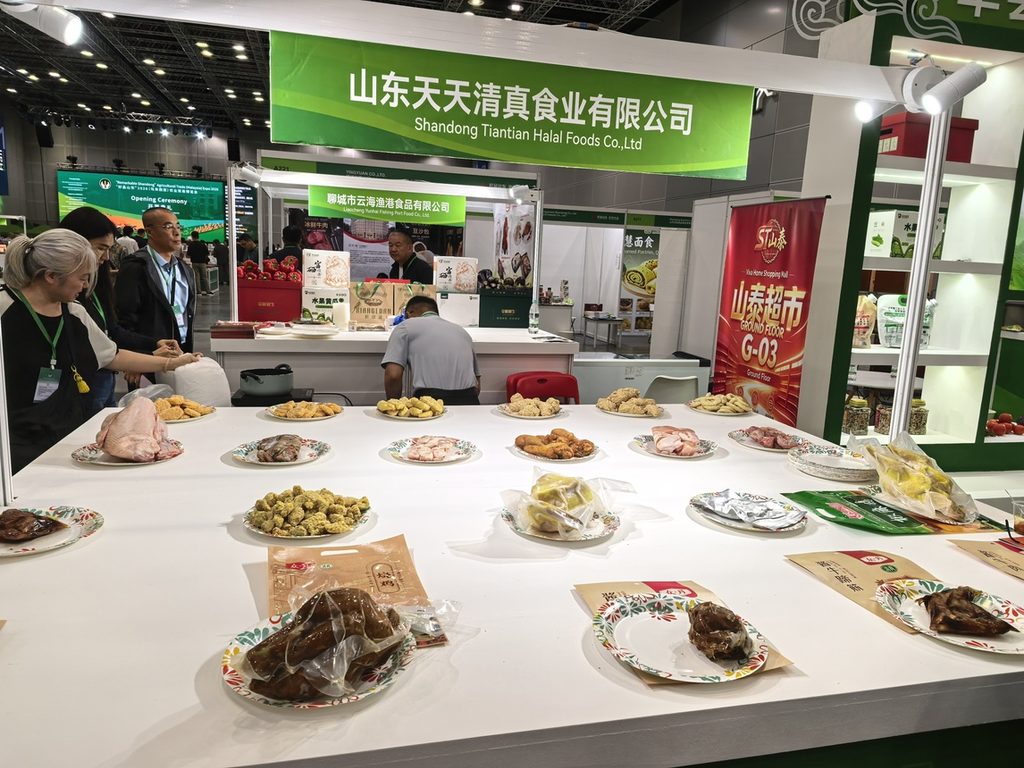
The event brought together nearly 100 companies from six cities across China’s Shandong and showcased over 1,100 agricultural products, including fresh fruits and vegetables, grains and dry goods, prepared foods, meat and seafood, food ingredients and condiments, tea and beverages, and dairy products, for three days of trade and industry engagement.
Returning to Malaysia for its second edition, this year’s expo placed greater emphasis on halal standards, market access and cross-border supply chain cooperation, connecting Shandong producers more directly with buyers and distribution channels in Malaysia and the wider ASEAN market.
The event featured B2B business matching and the signing of five strategic cooperation agreements between major firms such as Binzhou Zhongyu Food, Metrobiz Marketing, and Nozoly Food Industry to boost long-term trade.
In 2025, Shandong Province’s agriculture economy achieved a total output value exceeding RMB1.3 trillion, alongside agricultural exports of RMB166.83 billion, up 1.2% year-on-year.
Shandong has ranked first in China for agricultural exports for 26 consecutive years, accounting for 22.4% of the country’s total agricultural exports.
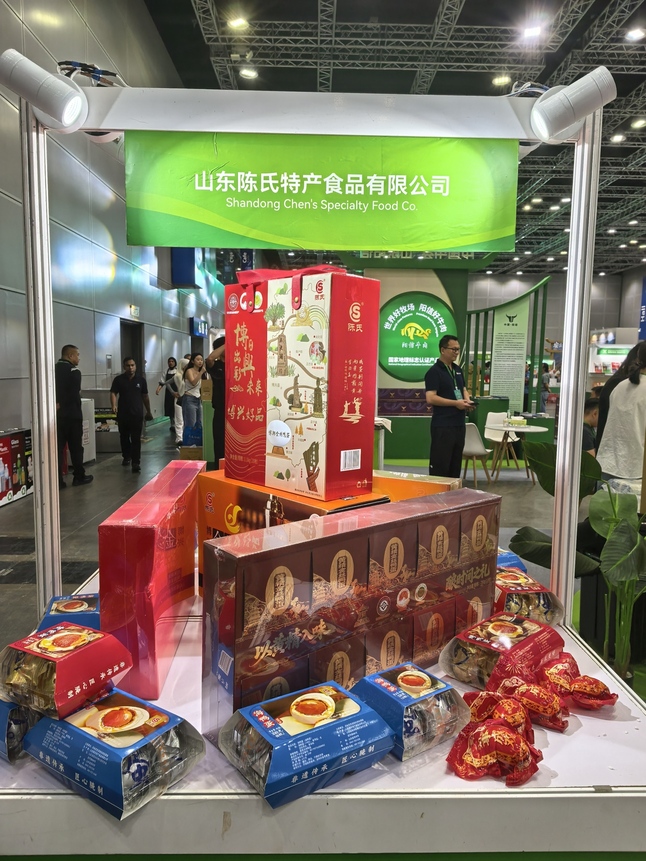
Building on the momentum of its inaugural edition, this year’s expo has further expanded its scale and product offering. Through cross-border B2B business matching, new product launches, product showcases and halal industry engagement, the expo aims to bring more quality Shandong agricultural products to Malaysia and ASEAN while building sustainable distribution and supply chain partnerships.
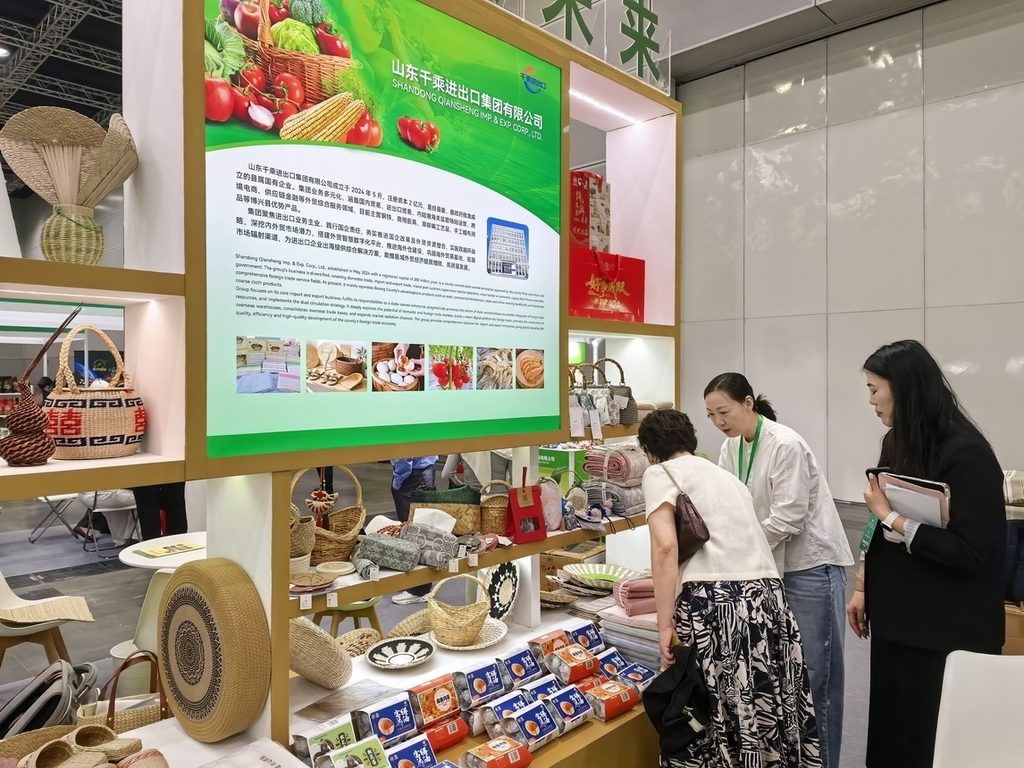
According to the Halal Development Corporation Berhad (HDC), Malaysia’s halal exports reached RM68.52 billion in 2025, marking a 10.9% year-on-year increase and contributing 4.3% to total national exports.
For Shandong companies seeking to enter Malaysia and reach the wider Muslim consumer market across ASEAN, halal goes beyond product labelling. It requires an end-to-end understanding of ingredient sourcing, production processes, traceability, warehousing, logistics and certification compliance.
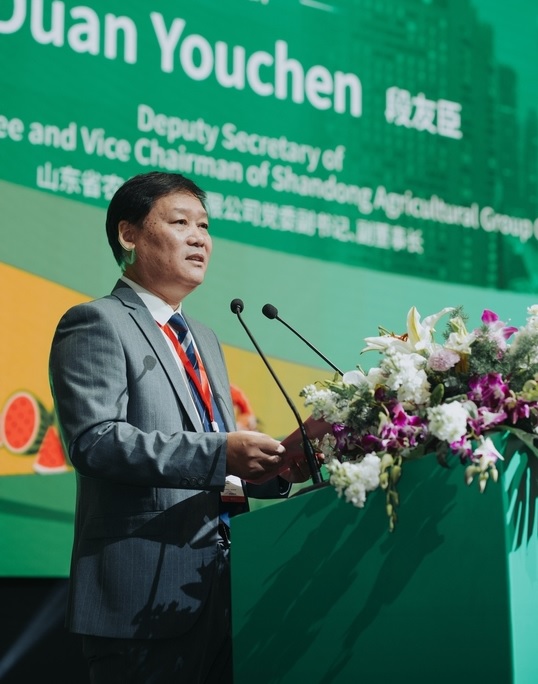
In his speech, Deputy Secretary of the Party Committee and Shandong Agricultural Group Co Ltd vice chairman Duan Youchen highlighted Malaysia’s strategic value as an important economic and trade partner for Shandong Province, China.
“Malaysia is not only an important economic and trade partner for Shandong in ASEAN, but also an important gateway to ASEAN and the global halal market.
“Through the ‘Remarkable Shandong’ Agricultural Trade (Malaysia) Expo 2026, we hope to establish three key platforms: two-way trade in quality agricultural products, collaboration across the agricultural value chain, and international promotion of agricultural brands.
“By leveraging Malaysia’s established halal certification ecosystem, we also hope to support more quality Shandong agricultural products in reaching ASEAN and international markets, while taking agricultural cooperation into broader areas and to greater depth,” he said.
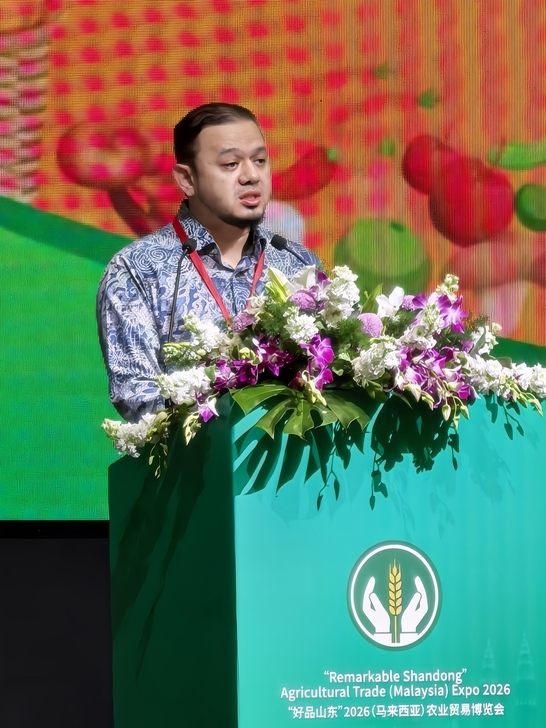
UiTM Holdings Sdn Bhd chairman Dato’ Dr Fathul Bari Mat Jahya said having a quality product is only the first step towards entering a market, while the right packaging and labelling, consistent quality and supply, and reliable local partners are equally important.
“We hope this expo will serve as a starting point to bring together industry, technology and knowledge, helping more Shandong companies find long-term partners in Malaysia and translating these connections into tangible outcomes,” he said.
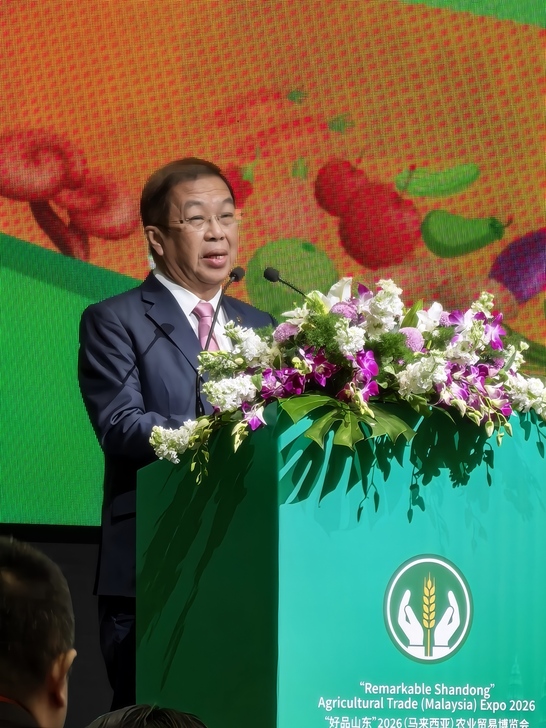
Former Prime Minister’s Special Envoy to China and former Malaysia-China Business Council chairman Tan Kok Wai said deepening agricultural cooperation between Malaysia and China carries not only economic value, but also strategic significance.
“China has extensive experience in modern agricultural technology, food processing, cold-chain logistics and agricultural machinery, while Shandong, as one of China’s major agricultural provinces, has ranked first in the country for agricultural exports for 26 consecutive years, offering valuable experience for Malaysia’s agricultural sector.
“We welcome more quality Shandong products into Malaysia and hope Shandong companies will view Malaysia as an important partner and gateway to the ASEAN market.
“Through the ‘Remarkable Shandong’ Agricultural Trade Expo 2026, we look forward to encouraging greater business engagement and cooperation, and making agriculture a new area of growth in Malaysia-China relations,” he said.
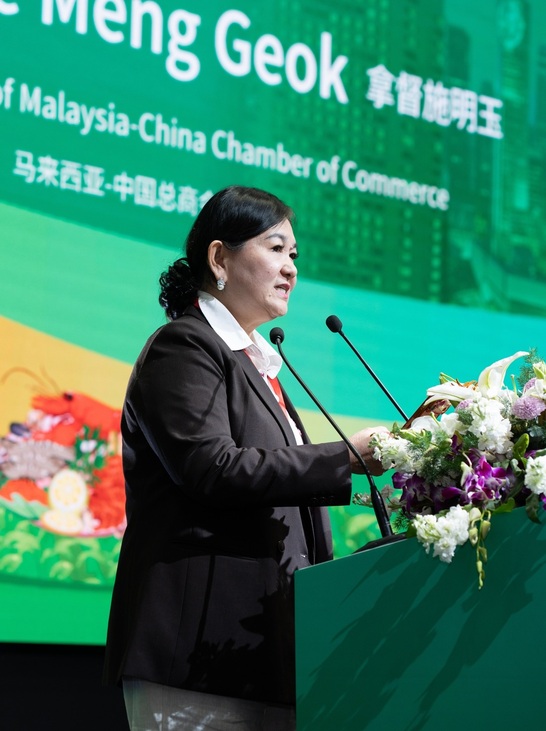
Malaysia-China Chamber of Commerce (MCCC) vice president Dato’ See Meng Geok outlined a vision for cooperation between Shandong and Malaysia that expands beyond traditional bilateral trade.
“By combining our respective strengths, we can jointly pursue opportunities in the wider international market. Shandong has strong capabilities in agriculture, food processing, agricultural technology and supply chains, while Malaysia offers an internationally recognised halal certification ecosystem and strong connectivity to ASEAN, the Middle East and the wider global halal market.
“We look forward to exploring a model that combines Shandong’s production capabilities with Malaysia’s halal certification and global market connectivity, positioning Malaysia as an important platform for quality Shandong products to reach international markets, while enabling Shandong to become an important industrial and supply chain partner for Malaysia’s global halal ambitions,” she said.
“MCCC will continue to play its role as a bridge between businesses on both sides, helping turn engagement into tangible partnerships and jointly exploring opportunities across ASEAN, the Middle East and global markets,” she added.
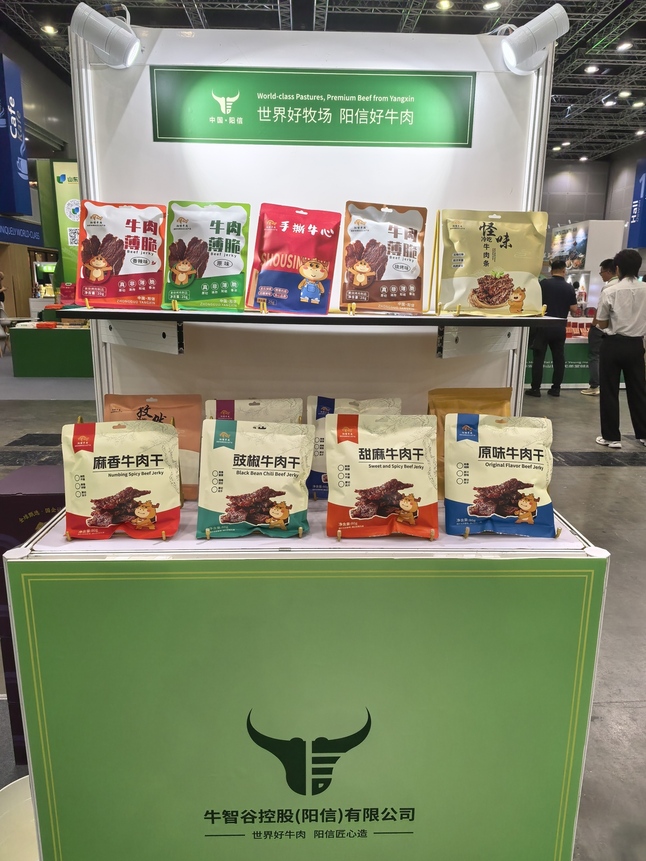
The expo showcases the diversity of Shandong’s agricultural industries and regional specialities, with products spanning fresh fruits and vegetables, grains and dry goods, prepared foods, meat and seafood, food ingredients and condiments, tea and beverages, and dairy products.
Five Malaysian organisations, including Halal Development Corporation Berhad (HDC), also participated in the exhibition, strengthening local industry involvement and creating further opportunities for engagement between Shandong businesses and Malaysian partners.
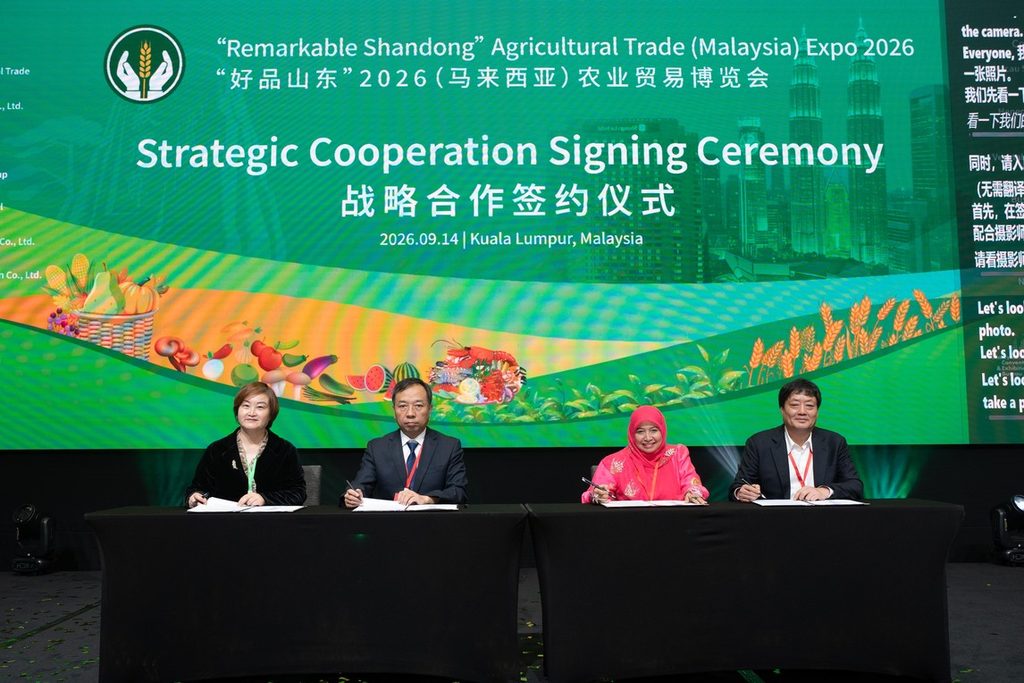
The expo also saw Shandong companies and Malaysian and regional partners signed five strategic cooperation agreements, covering agricultural trade, agri-food, cattle and halal industries, as well as trade and investment promotion.
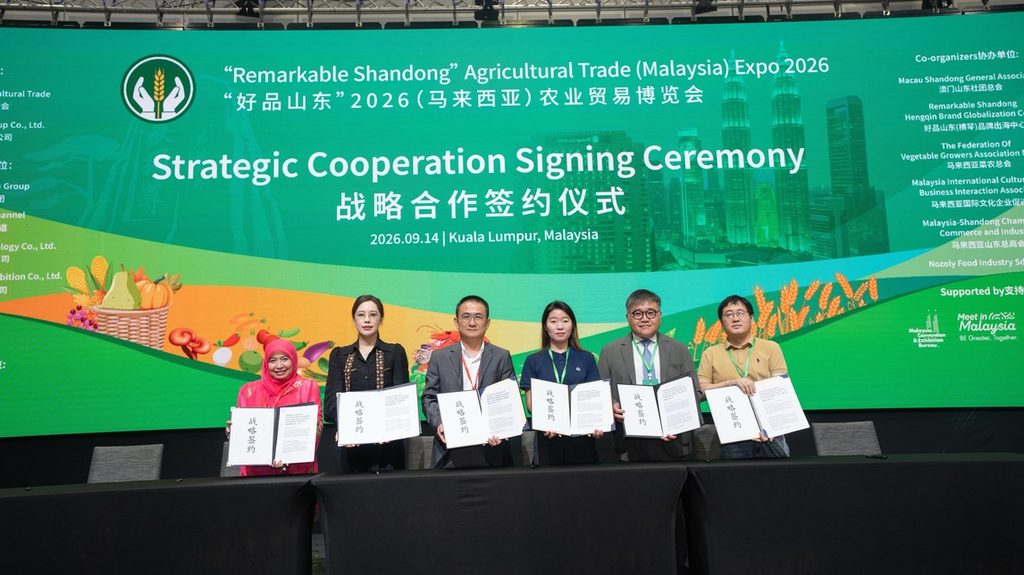
The agreements included Nozoly Food Industry Sdn Bhd with Shandong Agricultural Group Co Ltd; Latam Singapore Pte Ltd with Shandong Going Global Guangdong Henqin Supply Chain Co Ltd; Nozoly Food Industry Sdn Bhd with Niuzhigu Holdings (Yangxin) Co Ltd; Metrobiz Marketing Sdn Bhd with Shandong Meijia Group Co Ltd; and Binzhou Zhongyu Food Co Ltd with Macau Zishen Group Limited.
The agreements cover agricultural trade, agri-food, beef and the halal industry, as well as trade and investment promotion. They further connect Shandong’s production and supply chain resources with commercial networks in Malaysia and the wider region, laying the groundwork for product procurement, market expansion, distribution development and long-term supply chain partnerships.
The agreements reflect the expo’s broader ambition to move beyond product showcasing and create tangible pathways for deeper agricultural and food industry cooperation between Shandong and Malaysia.




 Expo 2026 took place from Sept 14 to16 at the KLCC for its second consecutive year.)