
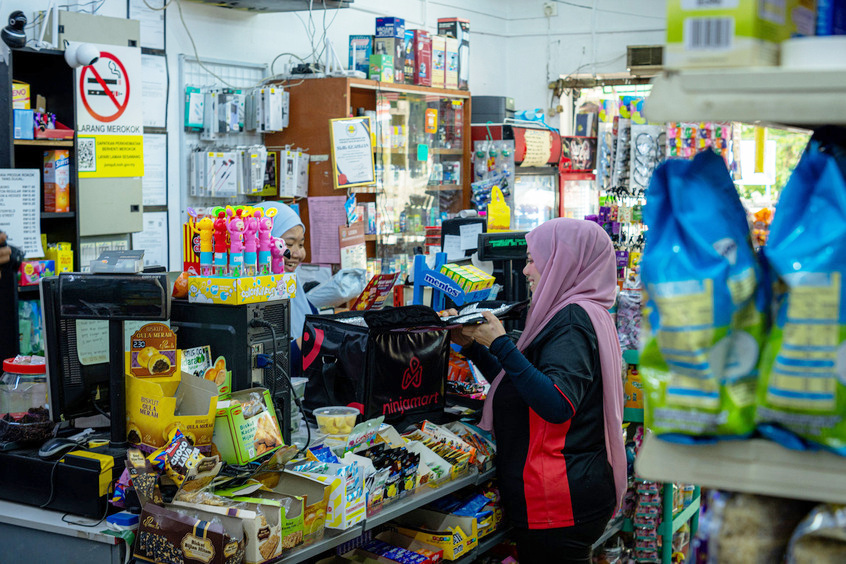
Ninja Mart, the B2B distribution platform of Ninja Van, is operating a hybrid model that supports traditional neighbourhood kedai runcit (grocery stores) through a combination of digital tools, robust logistics and on-the-ground support.
Traditional retail in Malaysia remains a cornerstone of the economy by offering unmatched convenience and proximity while maintaining a community-focused feel.
Yet, despite their relevance, many kedai runcit and general trade retailers continue to face day-to-day operational pressures, including coordinating with multiple suppliers, managing inventory and dealing with manpower shortages amid competition from modern retail and online platforms.
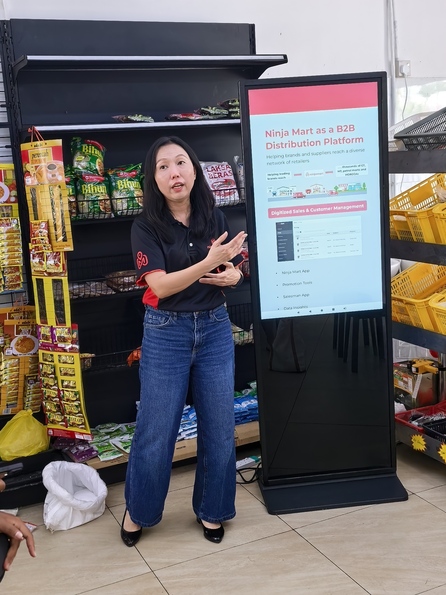
Ninja Mart Malaysia country head Denise Ang said the future of general trade will depend on practical solutions that reflect how traditional retailers actually operate.
“Kedai runcit owners are more than just retailers. They are part of the communities they serve, and they understand the daily needs of their customers in a way that is deeply local and relationship-driven,” she said at a Ninja Mart media session held at Al-Amin Fresh Mart in Kampung Kuantan, Klang on June 30, 2026.
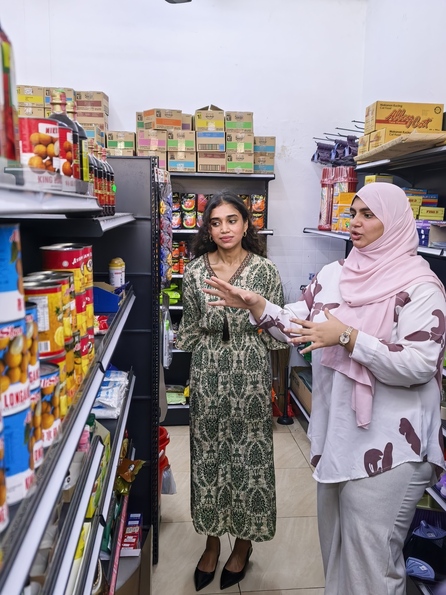
Ang said supporting general trade requires balancing the distinct needs of brands and retailers.
“For brands, the challenge is not just about reaching more stores. It is about reaching them consistently, efficiently and with better visibility.
“For retailers, the need is more practical – easier ordering, reliable support, access to relevant products and help in managing everyday store operations. Ninja Mart sits at the intersection of these needs,” she said.
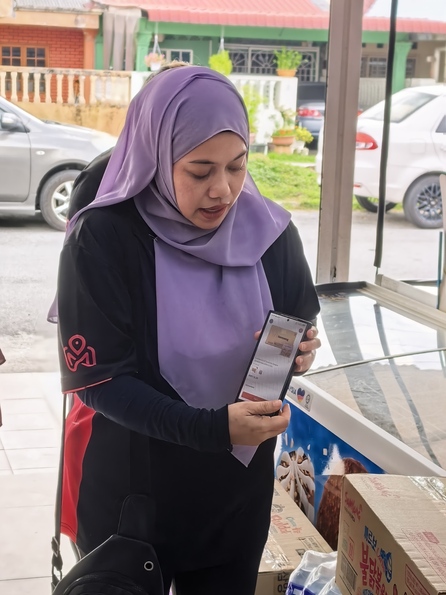
Ninja Mart currently supports more than 16,000 active retail outlets across Malaysia, providing brands with access to a wider retail network while helping retailers simplify areas such as product ordering, delivery coordination, order enquiries, returns and claims, and store-level support.
Through the platform, Ninja Mart connects brands and suppliers to a diverse network of retailers across general trade, modern trade, petrol marts and hotel, restaurant and cafe (Horeca) channels.
Its model combines app-based ordering, sales team, logistics support, and on-ground assistance to help brands distribute products across general trade networks while acting as a vital operational partner for traditional independent store owners.
Ninja Mart currently supports more than 16,000 active retail outlets across Malaysia, providing brands with access to a wider retail network while helping retailers simplify areas such as product ordering, delivery coordination, order enquiries, returns and claims, and store-level support.
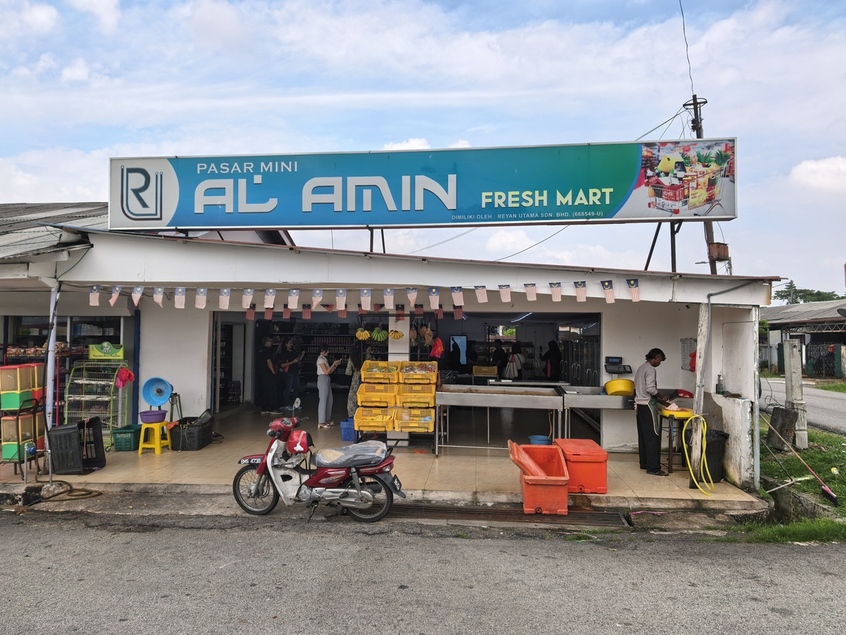
According to the Department of Statistics Malaysia, retail trade registered sales of RM71.0 billion in April 2026, growing 6.3% year-on-year. The performance reflects activity across a wide range of consumer-facing retail formats, including non-specialised stores such as hypermarkets, mini markets and convenience stores.
Government initiatives such as Sumbangan Asas Rahmah (SARA), which aims to expand participation among small grocery retailers to 10,000 outlets by end-2026, further reinforce the role of local stores in supporting community-level access to basic goods.
As Malaysia’s retail landscape continues to evolve, general trade will remain an integral part of the country’s retail ecosystem, particularly in communities where proximity, trust and everyday access continue to shape consumer behaviour.